


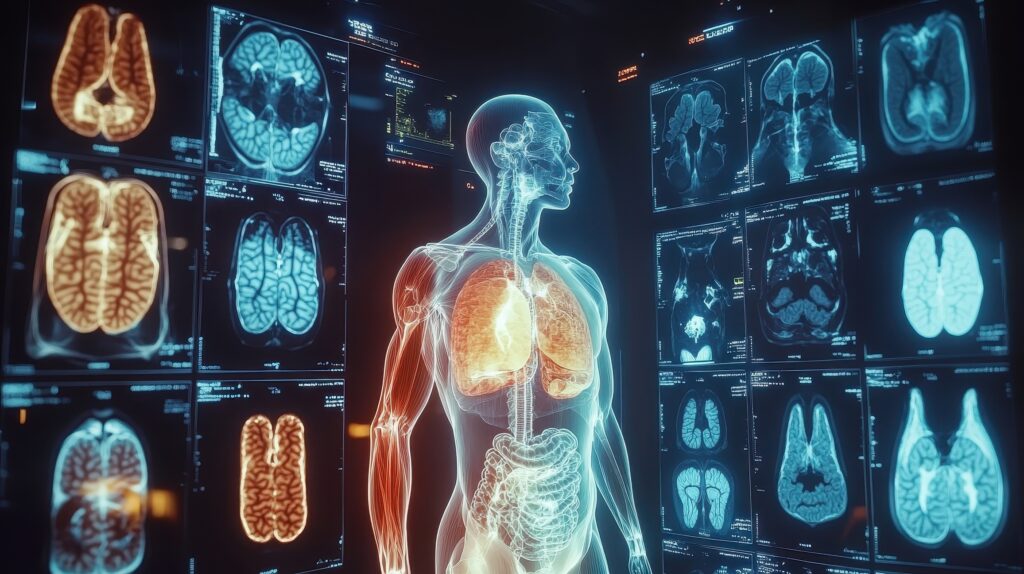
Medical imaging has become an indispensable component of modern medicine, transforming the way clinicians diagnose, monitor, and treat a multitude of health conditions. These technologies enable detailed visualization of the body’s internal structures without invasive procedures, leading to more accurate diagnoses and personalized treatment plans. As innovations in imaging continue to evolve, their impact on patient care grows exponentially, making understanding these tools essential for healthcare professionals and patients alike.
Early methods such as X-rays laid the foundation for this field, but today’s advanced modalities—like MRI, CT scans, and ultrasound—offer comprehensive insights into anatomy and function. Their combined use facilitates rapid decision-making, improved treatment outcomes, and minimally invasive interventions. The ongoing integration of emerging technologies, including artificial intelligence, is further enhancing the accuracy and efficiency of diagnostic processes, promising a future where medical imaging plays an even more pivotal role in healthcare.
Understanding Medical Imaging
Medical imaging encompasses a variety of techniques designed to produce visual representations of the interior of the body for clinical analysis and intervention. These non-invasive methods are essential for diagnosing diseases, guiding therapeutic procedures, and evaluating treatment efficacy. By providing detailed images of anatomical structures and physiological functions, imaging allows clinicians to make informed decisions without resorting to surgical exploration.
The history of medical imaging dates back to Wilhelm Conrad Roentgen’s discovery of X-rays in 1895, which revolutionized diagnostic medicine. Since then, technological advancements have expanded the array of imaging options available, each suited to specific clinical needs. These innovations have significantly improved the precision and safety of medical diagnoses.
The Main Modalities in Medical Imaging
Various imaging modalities serve distinct purposes in clinical practice, each with specific advantages and limitations.
X-ray Imaging
X-ray technology, the earliest form of medical imaging, remains widely used today. It functions by passing ionizing radiation through the body to produce images of dense tissues like bones. While it provides limited soft tissue detail, X-rays are invaluable for diagnosing fractures, infections, and chest abnormalities such as pneumonia or lung cancer. Their quick, cost-effective nature makes them a first-line tool in many emergency settings.
Computed Tomography (CT)
Building upon traditional X-ray principles, CT scans generate multiple cross-sectional images that are reconstructed into detailed three-dimensional views of the body. This modality offers higher resolution images, making it particularly useful in trauma assessment, tumor detection, and guiding complex surgeries. Although CT exposes patients to higher doses of radiation, its rapid acquisition and comprehensive imaging capabilities have made it an essential diagnostic tool.
Magnetic Resonance Imaging (MRI)
MRI leverages powerful magnetic fields and radiofrequency pulses to produce highly detailed images of organs and tissues, especially in neurology, orthopedics, and cardiovascular medicine. Unlike CT, MRI does not involve ionizing radiation, making it safer for repeated use. However, MRI is more costly, takes longer, and is contraindicated for patients with certain metal implants or fragments. Its superior soft tissue contrast provides critical insights in diagnosing neurological disorders, musculoskeletal injuries, and vascular diseases. For further insights, see how to interpret PET scans.
Ultrasound
Ultrasound employs high-frequency sound waves to generate real-time images, making it a versatile and safe modality. It is commonly used in obstetrics for monitoring fetal development, as well as in cardiology, emergency medicine, and guided procedures. Its portability and cost-effectiveness are significant advantages, although image quality heavily depends on operator skill and patient anatomy.
Nuclear Medicine and PET Scans
Nuclear imaging involves administering radioactive tracers to assess organ function and identify abnormalities such as cancers or thyroid disorders. Positron Emission Tomography (PET) is a specialized form that visualizes metabolic activity within tissues, often combined with CT to provide both functional and structural information. This combined approach enhances diagnostic accuracy, especially in oncology and neurology.
Image-Guided Interventions
Medical imaging extends beyond diagnostics to facilitate minimally invasive procedures. Interventional radiology uses imaging guidance—such as ultrasound, CT, or fluoroscopy—to perform biopsies, drainages, stent placements, and vascular treatments with high precision. These procedures minimize patient discomfort, reduce recovery times, and lower the risks associated with open surgery. As technology advances, the scope and accuracy of image-guided interventions are expected to grow, offering new possibilities for patient care.
Interesting:
Safety and Radiation Considerations
While medical imaging offers significant clinical benefits, it also involves risks, particularly from exposure to ionizing radiation. Excessive radiation can increase cancer risk, underscoring the importance of justified and optimized use of imaging modalities. The ALARA principle (“As Low As Reasonably Achievable”) guides practitioners to minimize radiation doses while maintaining diagnostic quality through shielding, appropriate technique selection, and modern equipment.
MRI, which does not emit ionizing radiation, introduces different safety concerns related to strong magnetic fields. Metallic implants or fragments pose risks of movement or heating, necessitating thorough safety screening. Ensuring patient safety requires strict adherence to protocols and ongoing staff training in imaging practices.
The Role of the Radiologist
Expert interpretation of medical images is vital to accurate diagnosis and effective treatment planning. Radiologists are physicians specialized in analyzing imaging studies, distinguishing normal anatomy from pathology, and advising clinicians on appropriate imaging strategies. Their expertise is crucial in complex cases, subspecializing in areas such as musculoskeletal, neurological, or abdominal imaging. Increasingly, radiologists participate actively in patient care, especially in image-guided procedures and multidisciplinary diagnostics. For a broader historical perspective, see the pioneers who transformed medical imaging.
Technological Innovations and AI in Imaging
Rapid advances in technology are transforming medical imaging. High-resolution imaging, three-dimensional reconstructions, and functional imaging are now routine in many diagnostic departments. Hybrid systems like PET-CT and PET-MRI combine structural and functional data, providing comprehensive insights for oncology, neurology, and cardiology.
Artificial intelligence (AI) is increasingly integrated into imaging workflows. AI algorithms assist in detecting abnormalities, automating segmentation, and predicting disease progression, thereby enhancing diagnostic speed and accuracy. While these tools support radiologists, concerns regarding data privacy, accountability, and algorithm bias remain. For more details, see virtual reality in medicine perspectives and features.
Education and Training
Professionals involved in medical imaging include radiologists, radiographers, and sonographers, each requiring extensive education and ongoing professional development. Radiographers operate imaging equipment, ensuring safety and quality, while sonographers specialize in ultrasound examinations. Regulatory bodies, such as the UK’s HCPC, oversee standards, and continuing education is essential to keep pace with evolving technology and protocols.
Challenges and Ethical Considerations
The expanding use of medical imaging presents challenges such as increasing demand, workforce shortages, and escalating healthcare costs. Overuse of imaging can lead to incidental findings, patient anxiety, and unnecessary procedures. Ethical practices require judicious use of technology, informed consent, and clear communication. Protecting patient data privacy is also critical, especially with the digitization and sharing of imaging records.
The Future of Medical Imaging
The future promises more personalized, predictive, and precise imaging modalities. Advances in molecular imaging, radiomics, and AI-powered diagnostics will enhance early detection and tailored treatments. Remote reporting, or teleradiology, will improve access to specialist expertise in underserved areas. Innovations like cloud storage, portable imaging devices, and mobile units will further democratize diagnostic services.
As healthcare shifts towards value-based models, imaging’s role will be measured not only by diagnostic accuracy but also by its impact on patient outcomes, quality of life, and cost-effectiveness. Continuous research and technological integration will position medical imaging as a cornerstone of future healthcare.
Conclusion
Medical imaging is a transformative force in medicine, enabling earlier diagnoses, more effective monitoring, and less invasive treatments. As technological innovations emerge, imaging professionals must adapt and innovate to meet the evolving needs of healthcare. Educating clinicians and patients about imaging capabilities, safety, and limitations is essential for optimal utilization. With a balanced approach that emphasizes safety, accuracy, and ethical practice, medical imaging will continue to be a vital component of effective healthcare delivery for generations to come.