


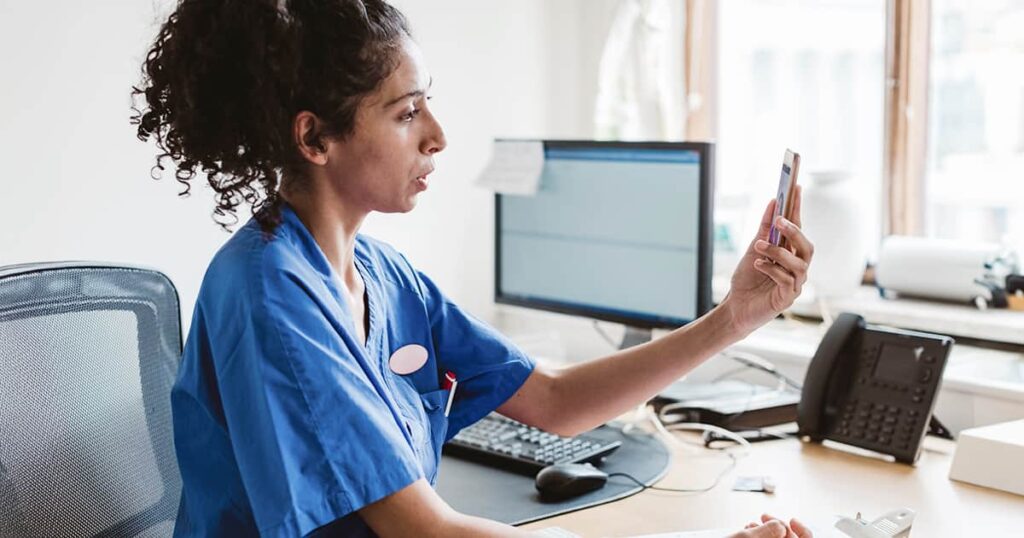
The integration of telehealth into nursing practice has revolutionized the way healthcare services are delivered, offering new possibilities for patient engagement, care efficiency, and access. As technology continues to evolve, nurses are increasingly leveraging remote communication tools to enhance patient outcomes and address longstanding healthcare challenges. This shift is particularly vital amid an aging population and ongoing provider shortages, which demand innovative solutions to maintain quality care across diverse settings.
Telehealth not only facilitates cost-effective healthcare delivery but also bridges gaps in access, especially for individuals in underserved or rural communities. The expansion of telemedicine during the COVID-19 pandemic has demonstrated its potential to transform patient management, enabling timely interventions, continuous monitoring, and improved health literacy. Incorporating telehealth into nursing practice requires understanding its benefits, applications, and the evolving landscape of healthcare technology.
What Is Telehealth and Telemedicine?
Telehealth encompasses the use of digital communication technologies to deliver healthcare remotely. According to the National Institute of Biomedical Imaging and Bioengineering (NIBIB), it involves utilizing tools such as video conferencing, remote monitoring devices, and mobile applications to provide medical care at a distance. These services can substitute traditional in-person visits, allowing patients to consult with healthcare providers from the comfort of their homes, which is especially beneficial for those with mobility issues or chronic conditions.
Remote monitoring devices enable nurses to receive vital health data directly from patients, such as blood pressure, blood glucose levels, or heart rate. This continuous flow of information supports timely decision-making and personalized care plans. As telehealth usage surged—growing by over 766% during the initial months of the pandemic—its role in healthcare has become more entrenched, promising long-term advantages due to its convenience and efficiency. An insightful article on the future of telehealth emphasizes that it is unlikely to revert to pre-pandemic levels, given the technological advancements and shifting patient preferences.
The increasing adoption of telehealth across hospitals and clinics signifies a transformative trend in nursing, fostering more integrated and accessible care pathways. For further insights into how artificial intelligence is reshaping healthcare outcomes, consider exploring this resource.
Understanding The Role of Telehealth in Nursing
Nurses have embraced diverse roles within the telehealth framework, spanning various aspects of healthcare delivery. According to The Online Journal of Issues in Nursing, telehealth nursing covers areas including acute care, chronic disease management, follow-up services, hospice support, palliative care, and primary health services. This versatility enables nurses to extend their reach beyond traditional settings, providing vital support and education remotely.
In underserved regions, telehealth can dramatically improve access to essential services, removing geographical barriers that often hinder timely care. Bechok highlights that, despite the abundance of healthcare resources in the United States, many patients still struggle to connect with providers due to location constraints. By leveraging telemedicine, nurses can monitor patients remotely—using self-measurement devices—and provide guidance through video consultations, ensuring continuous care for chronic conditions or recovery from injuries.
Remote patient monitoring systems can alert nurses to critical changes in vital signs, facilitating prompt interventions. For example, a patient managing hypertension at home can have their blood pressure automatically relayed to their healthcare team, enabling swift adjustments to treatment plans. Telehealth also empowers nurses to serve as primary points of contact through hotlines, online chats, and telemedicine portals, fostering ongoing communication and symptom management. Additionally, real-time data sharing with physicians enhances coordinated care, making it possible to deliver high-quality services regardless of physical distance.
Post-disaster scenarios further underscore telehealth’s importance, allowing healthcare providers to treat minor injuries and provide follow-up care remotely during emergencies. As Bechok notes, the adaptability of telehealth technology offers clinicians the ability to tailor services based on specific case needs, promoting flexible and efficient patient care.
What Are the 4 Ps of Telehealth Nursing?
To effectively implement telehealth programs, nursing educators and practitioners often employ the Four Ps framework: Planning, Preparing, Providing, and Performance Evaluation. This structured approach helps ensure that telehealth initiatives are comprehensive and patient-centered.
- Planning: Involves assessing the needs of the patient population, selecting appropriate technology, and addressing potential challenges in implementation.
- Preparing: Focuses on acquiring necessary equipment, establishing partnerships with vendors, training staff, and setting up protocols for service delivery.
- Providing: Encompasses conducting virtual consultations, taking patient histories, performing assessments, and conveying diagnoses and treatment plans.
- Performance Evaluation: Entails reviewing outcomes, measuring the impact on patient health, and refining processes to enhance effectiveness. This continuous feedback loop ensures that telehealth services meet quality standards and adapt to changing needs.
For those interested in expanding their skills, exploring this career guide can offer valuable insights into becoming proficient in healthcare data analysis, a critical component of telehealth systems.
Interesting:
- Enhancing rural healthcare through telehealth and health it innovations
- Advancing healthcare through digital innovation the role of telehealth
- Advancing patient safety in the nhs strategies and innovations
- Emerging trends and innovations shaping the future of esg compliance
- Transforming healthcare the power of ai innovations and future prospects
How Can Telehealth Improve Nursing Care for Patients?
The proliferation of telehealth services offers numerous benefits, particularly in improving health outcomes and reducing disparities. According to the National Institutes of Health, nearly 20% of Americans reside in rural areas where access to healthcare providers and facilities is limited. Telehealth bridges this gap, enabling timely interventions that can prevent hospitalizations and manage chronic illnesses more effectively.
Patients with conditions such as heart failure, respiratory diseases, or diabetes benefit from remote monitoring, which allows for ongoing symptom tracking and early detection of complications. This proactive approach minimizes unnecessary hospital visits and enhances overall health management.
Cost savings are another significant advantage. By enabling patients to receive care at home and reducing the need for physical visits, telehealth can lower healthcare expenses for both patients and institutions. The National Cancer Institute reports that telehealth visits can save patients an average of $147 to $186 per appointment, illustrating its economic impact.
Embracing telehealth is essential for improving healthcare delivery, especially amid ongoing financial constraints and resource limitations. It fosters better communication, higher quality care, and increased access—factors vital to a sustainable healthcare system.
The Future Role of Telehealth in Nursing
Looking ahead, telehealth is poised to become an integral part of nursing practice. Despite its many advantages, challenges such as limited broadband access in rural regions, licensing restrictions across state lines, and privacy concerns remain hurdles to widespread adoption. As Bechok points out, the COVID-19 pandemic accelerated telehealth integration, demonstrating its vital role in managing public health crises and routine care alike.
The pandemic also highlighted telemedicine’s capacity to triage COVID-19 cases remotely, reducing hospital burden and minimizing infection risks. Moving forward, innovations in technology will continue to enhance nurse-patient interactions, providing more sophisticated tools for education, assessment, and treatment.
Ultimately, the essence of nursing remains unchanged—delivering compassionate, patient-centered care. As Bechok emphasizes, whether through in-person visits or virtual platforms, nurses serve as the vital link in the healthcare chain, ensuring continuity and quality of care in any environment. For those looking to deepen their expertise in healthcare analytics and data management, this career guide offers a comprehensive pathway.
The ongoing evolution of telehealth promises to reshape nursing roles profoundly, making care more accessible, efficient, and tailored to individual needs. Embracing this shift equips nurses to meet future healthcare demands with innovation and resilience.
A degree in nursing, especially with a focus on telehealth competencies, can significantly enhance your career. Find the SNHU online nursing program that aligns with your professional goals and prepares you for the future of healthcare.
Danielle Gagnon is a freelance writer specializing in higher education and healthcare topics. Her background includes reporting on education policy and managing communications for educational institutions. She remains passionate about sharing insights that empower learners and healthcare professionals alike.