Achieving and maintaining regulatory compliance is a critical priority for hospitals aiming to deliver safe, high-quality care while avoiding legal and financial penalties. As healthcare regulations become increasingly complex, healthcare administrators and compliance officers must adopt proactive, comprehensive approaches to meet standards consistently. Implementing best practices not only safeguards patient well-being but also enhances operational […]
Achieving and maintaining regulatory compliance is a critical priority for hospitals aiming to deliver safe, high-quality care while avoiding legal and financial penalties. As healthcare regulations become increasingly complex, healthcare administrators and compliance officers must adopt proactive, comprehensive approaches to meet standards consistently. Implementing best practices not only safeguards patient well-being but also enhances operational […]
Achieving and maintaining regulatory compliance is a critical priority for hospitals aiming to deliver safe, high-quality care while avoiding legal and financial penalties. As healthcare regulations become increasingly complex, healthcare administrators and compliance officers must adopt proactive, comprehensive approaches to meet standards consistently. Implementing best practices not only safeguards patient well-being but also enhances operational efficiency and institutional reputation. This guide explores essential strategies to promote regulatory adherence within hospital settings, emphasizing the importance of technological innovation, staff training, and continuous monitoring.
Understanding the Importance of Regulatory Compliance
Regulatory compliance in healthcare refers to the adherence to laws, standards, and guidelines set by government agencies and accrediting bodies such as the Joint Commission, CMS, and HIPAA. These regulations aim to ensure patient safety, data security, and operational integrity. Non-compliance can lead to severe consequences, including hefty fines, legal action, and damage to the hospital’s reputation. Therefore, establishing a culture of compliance is fundamental to organizational success.
Developing a Robust Compliance Program
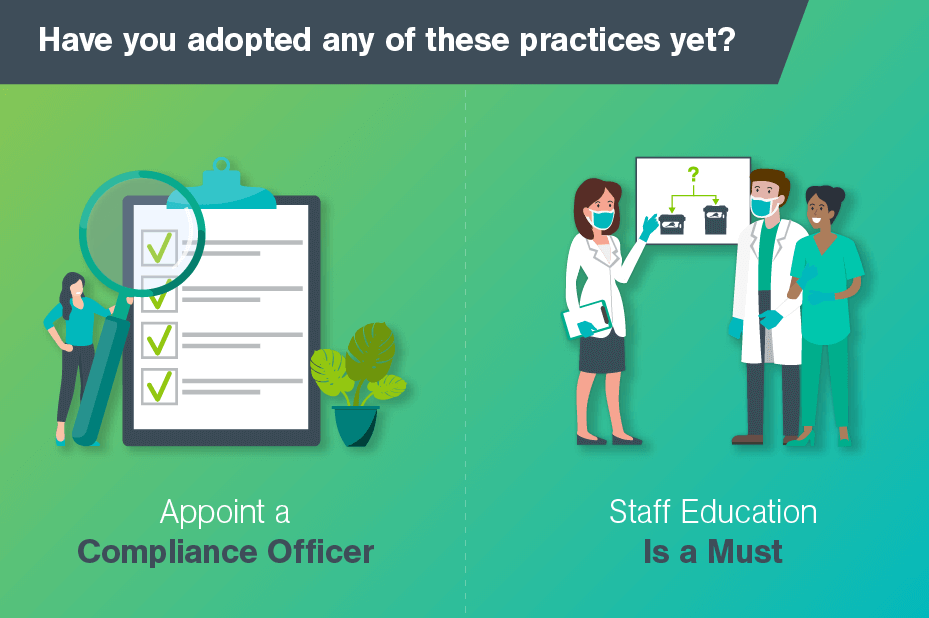
A comprehensive compliance program is the backbone of effective regulation adherence. Hospitals should establish clear policies and procedures aligned with current legal requirements. This includes appointing dedicated compliance officers or committees responsible for overseeing adherence, conducting regular audits, and updating protocols as regulations evolve. Leveraging artificial intelligence tools can significantly enhance compliance monitoring by analyzing large data sets for potential violations—more on this, see AI in healthcare.
Training and Educating Staff
Ongoing education is vital for maintaining compliance. Regular training sessions should be conducted to ensure all staff members understand their responsibilities regarding patient privacy, safety protocols, and documentation standards. Interactive modules and scenario-based learning can improve retention and engagement. As technology advances, virtual reality applications are increasingly used to simulate clinical scenarios, providing immersive training experiences—explore innovative virtual training methods. Additionally, training programs should be tailored to specific roles to address unique compliance challenges faced by different departments.
Implementing Technological Solutions
Modern hospitals are turning to advanced healthcare IT systems to streamline compliance efforts. Electronic health records (EHRs) facilitate accurate documentation and secure data management. Automated alerts can remind staff of protocol deadlines or flag potential violations before they occur. Integrating compliance checklists within hospital management software ensures continuous adherence. Developing healthcare applications with attention to regulatory standards is crucial; for guidance, review development considerations for healthcare apps. Furthermore, emerging technologies like immersive therapy are transforming mental health treatments, offering more effective patient care options.
Monitoring, Auditing, and Continuous Improvement
Effective compliance is an ongoing process. Regular audits help identify gaps and areas for improvement. Utilizing data analytics enables hospitals to track compliance metrics over time, providing insights that inform corrective actions. Establishing a feedback loop where staff can report concerns anonymously fosters a proactive compliance culture. Staying current with regulatory updates through resources such as official government portals is essential. Hospitals should also explore innovative approaches to patient care, including the integration of emerging therapies, to stay at the forefront of compliance and healthcare excellence. For example, immersive therapy is gaining recognition as a promising avenue for mental health treatment see more about this approach.
Conclusion
Promoting regulatory compliance within hospitals demands a strategic blend of policy development, staff education, technological integration, and continuous monitoring. Embracing digital innovations and fostering an organizational culture dedicated to compliance can significantly reduce risks and enhance patient safety. Staying informed about evolving regulations and utilizing cutting-edge tools ensures that healthcare facilities remain compliant and ready to meet future challenges. By implementing these best practices, hospitals can uphold the highest standards of care while safeguarding their operational integrity.