The integration of cloud-based technology into mobile healthcare services, particularly community paramedicine, is transforming how emergency and preventive care are delivered outside traditional clinical settings. As healthcare providers increasingly adopt digital solutions, understanding the benefits of these tools becomes essential for optimizing patient outcomes, improving operational efficiency, and ensuring data security. This article explores the […]
The integration of cloud-based technology into mobile healthcare services, particularly community paramedicine, is transforming how emergency and preventive care are delivered outside traditional clinical settings. As healthcare providers increasingly adopt digital solutions, understanding the benefits of these tools becomes essential for optimizing patient outcomes, improving operational efficiency, and ensuring data security. This article explores the […]
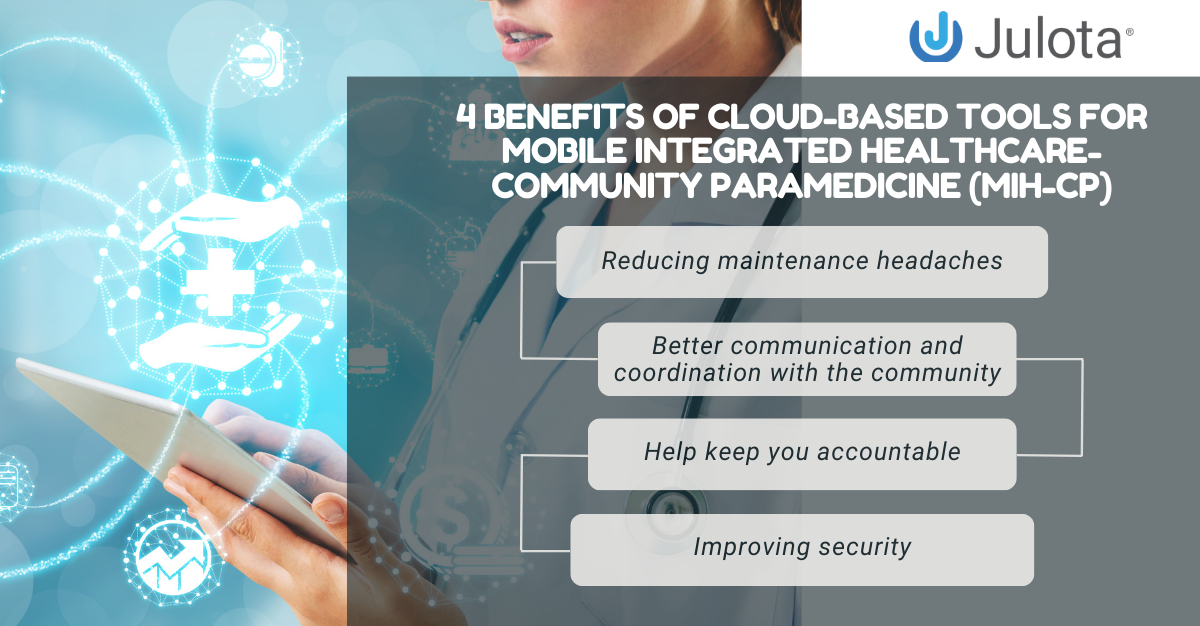
The integration of cloud-based technology into mobile healthcare services, particularly community paramedicine, is transforming how emergency and preventive care are delivered outside traditional clinical settings. As healthcare providers increasingly adopt digital solutions, understanding the benefits of these tools becomes essential for optimizing patient outcomes, improving operational efficiency, and ensuring data security. This article explores the pivotal role of cloud-based platforms in community paramedicine and highlights four significant advantages they offer to modern healthcare systems.
The Role of Cloud-Based Platforms in Mobile Integrated Healthcare
Mobile integrated healthcare (MIH), including community paramedicine, involves paramedics and healthcare professionals providing services directly within patients’ homes or community settings. The adoption of cloud-based tools facilitates real-time data sharing, remote monitoring, and coordinated care delivery. These platforms enable emergency responders and healthcare providers to access patient histories, medication records, and treatment plans instantly, regardless of location. This immediacy enhances decision-making and reduces delays in care, which is crucial during crisis response situations.
Furthermore, cloud solutions support scalable and flexible infrastructure, allowing healthcare organizations to expand or modify services without significant hardware investments. They also foster collaborative care by connecting various healthcare entities, including hospitals, clinics, and emergency services, through secure and unified data systems. As such, cloud-based tools are foundational in advancing the effectiveness and reach of community paramedicine programs.
Four Key Benefits of Cloud-Based Healthcare Tools for Community Paramedicine
1. Improved Care Coordination and Efficiency
Cloud platforms streamline communication between paramedics, healthcare providers, and patients, enabling a seamless exchange of vital information. This interconnectedness reduces redundant procedures, minimizes errors, and accelerates treatment processes. With instant access to electronic health records (EHRs), paramedics can make informed decisions on-site, improving patient safety and outcomes. Additionally, remote data sharing allows for better planning and resource allocation within emergency response teams.
2. Enhanced Patient Engagement and Outcomes
Accessible cloud-based tools empower patients by providing them with their health information and enabling more active participation in their care plans. Remote monitoring devices connected via cloud systems allow continuous tracking of vital signs and health metrics, facilitating early intervention before conditions worsen. This proactive approach leads to better management of chronic diseases and reduces unnecessary hospital visits, ultimately improving overall health outcomes.
3. Cost Reduction and Resource Optimization
By leveraging cloud technology, healthcare systems can significantly lower operational costs associated with data storage, hardware maintenance, and manual record-keeping. The ability to access and update patient data remotely reduces the need for multiple visits and duplicative tests. Moreover, cloud-based analytics can identify trends and predict patient needs, allowing for targeted interventions and efficient resource utilization. This cost-effectiveness is vital for expanding access to community-based care without overburdening existing infrastructure.
4. Strengthening Data Security and Privacy
Protecting sensitive patient information is paramount in healthcare. Cloud providers invest heavily in advanced security measures, including encryption, multi-factor authentication, and continuous monitoring, to safeguard data against breaches. Implementing robust security protocols is essential, especially as healthcare organizations face increasing cyber threats. For more insights on safeguarding health information, see the importance of data security in healthcare. Ensuring that patient data remains confidential not only complies with regulations like HIPAA but also builds patient trust and confidence.
The Importance of Cybersecurity in Healthcare Data Management
As healthcare organizations rely more heavily on cloud-based systems, securing patient data becomes a critical priority. Cyberattacks targeting health information can lead to severe consequences, including identity theft, financial loss, and compromised patient safety. Strengthening cybersecurity measures is essential to protect the integrity and confidentiality of health records. For comprehensive strategies, review how to enhance cybersecurity in healthcare. Implementing these protections ensures that sensitive data remains safe, fostering an environment of trust and compliance.
Conclusion
The adoption of cloud-based tools in mobile integrated healthcare, particularly within community paramedicine, offers transformative benefits that enhance care delivery, improve patient outcomes, and optimize operational costs. By leveraging these technologies, healthcare providers can deliver more coordinated, efficient, and secure services directly within communities. As the sector continues to evolve, prioritizing data security and cybersecurity measures remains essential to protect sensitive patient information and maintain trust in digital healthcare systems. For further insights into the significance of cybersecurity, visit securing patient data. Embracing these innovations ensures a resilient, patient-centered approach to modern healthcare.