Healthcare professionals rely heavily on practical, reliable equipment to deliver quality patient care. Among these tools, mobile carts stand out as versatile and essential assets in both hospital settings and home healthcare environments. These carts are designed to enhance mobility, organization, and accessibility, allowing medical staff to perform their duties more efficiently. Given the wide […]
Healthcare professionals rely heavily on practical, reliable equipment to deliver quality patient care. Among these tools, mobile carts stand out as versatile and essential assets in both hospital settings and home healthcare environments. These carts are designed to enhance mobility, organization, and accessibility, allowing medical staff to perform their duties more efficiently. Given the wide […]
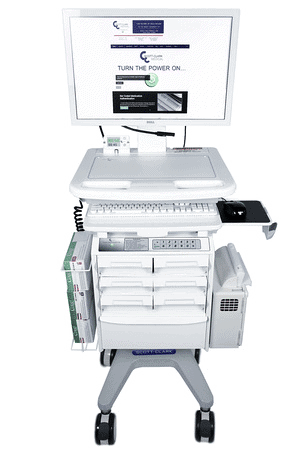
Healthcare professionals rely heavily on practical, reliable equipment to deliver quality patient care. Among these tools, mobile carts stand out as versatile and essential assets in both hospital settings and home healthcare environments. These carts are designed to enhance mobility, organization, and accessibility, allowing medical staff to perform their duties more efficiently. Given the wide variety of options available today, understanding what features to look for can significantly improve the functionality and safety of these carts. This guide explores the key components that make a mobile cart truly effective for healthcare use.
Supply Drawers
One of the most crucial features of a mobile healthcare cart is its storage capacity, particularly the drawers. Well-designed drawers should be spacious enough to hold a variety of medical supplies and equipment necessary for daily tasks. Accessibility is equally important, so these drawers should glide smoothly and be easy to open and close, even when the cart is fully loaded. Security features, such as locks, are vital to prevent unauthorized access and ensure that sensitive or expensive supplies remain safe. Lockable drawers also help maintain the integrity of the supplies during transport, reducing the risk of loss or contamination. Some models incorporate locking mechanisms that allow drawers to stay slightly open when unlocked, providing quick access without fully opening the drawer, which can be particularly useful during busy shifts.
Wide Desktops
A large, stable work surface is another essential aspect of an effective mobile cart. A wide desktop provides ample space for healthcare providers to organize their tools, documents, and devices, promoting efficiency and reducing clutter. For professionals who need to work with multiple devices simultaneously, such as computers, monitors, or medical instruments, a broad surface area can make a significant difference. Combining a wide desktop with ergonomic features like pull-out keyboards enhances comfort and allows for a more organized workspace. This setup helps reduce strain and increases productivity, especially during long shifts or complex procedures.
Adjustable Height
Comfort and ergonomics are critical factors when selecting a mobile healthcare cart. Medical staff often spend many hours on their feet, which can lead to fatigue and discomfort. An adjustable-height cart offers a practical solution by allowing users to modify the height to suit their preference—whether sitting or standing. This flexibility not only improves comfort but also promotes better posture, reducing the risk of musculoskeletal issues over time. Adjustable carts are especially beneficial in dynamic healthcare environments where multiple users may need to access the same equipment. By providing customizable height options, these carts support a more ergonomic workflow and enhance user satisfaction. To explore more about the benefits of specialized healthcare carts, visit this resource.
The Importance of Data Integration
Modern healthcare relies heavily on technology and data management. Mobile carts equipped with integrated data systems streamline workflows by allowing quick access to electronic health records and device monitoring. The seamless integration of data systems ensures accurate documentation, reduces errors, and supports real-time decision-making. Understanding the vital role that data plays in operational efficiency can greatly enhance the effectiveness of healthcare delivery. For more insights into how data integration impacts healthcare systems, see this detailed overview.
Conclusion
Choosing the right mobile cart involves considering factors such as secure and spacious storage, ample work surfaces, and adjustable ergonomics. These features collectively contribute to a safer, more organized, and efficient healthcare environment. As healthcare continues to evolve, integrating advanced data management capabilities into mobile carts becomes increasingly important. By investing in high-quality carts tailored to specific needs, healthcare providers can improve workflow, enhance patient care, and ensure safety. For more detailed guidance on optimizing healthcare infrastructure and equipment, consult industry experts or visit trusted resources dedicated to healthcare management solutions.