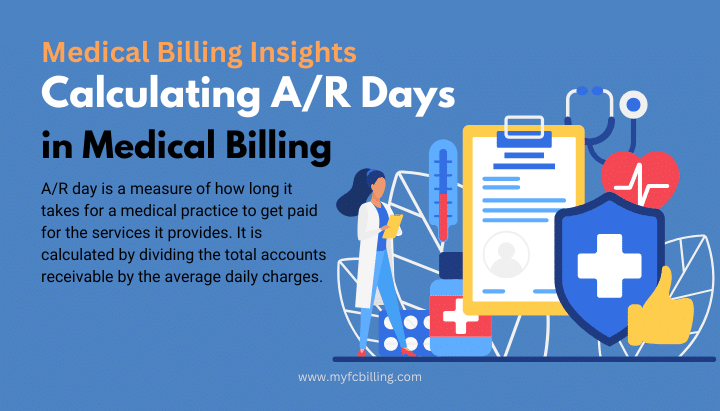
Efficient management of receivables is a cornerstone of financial health for any healthcare practice. Understanding how long it takes to collect payments after providing services helps providers identify bottlenecks and improve their revenue cycle. Calculating and reducing accounts receivable (A/R) days is a vital step toward ensuring steady cash flow, minimizing outstanding balances, and enhancing […]
Efficient management of receivables is a cornerstone of financial health for any healthcare practice. Understanding how long it takes to collect payments after providing services helps providers identify bottlenecks and improve their revenue cycle. Calculating and reducing accounts receivable (A/R) days is a vital step toward ensuring steady cash flow, minimizing outstanding balances, and enhancing […]
Efficient management of receivables is a cornerstone of financial health for any healthcare practice. Understanding how long it takes to collect payments after providing services helps providers identify bottlenecks and improve their revenue cycle. Calculating and reducing accounts receivable (A/R) days is a vital step toward ensuring steady cash flow, minimizing outstanding balances, and enhancing overall operational efficiency.
Managing A/R days involves analyzing the average number of days it takes to receive payments from insurance companies and patients following service delivery. This key metric acts as an indicator of how well a healthcare organization is performing in its billing and collections processes. The shorter the A/R days, the more robust the revenue cycle, leading to improved financial stability. For billing professionals, consistently tracking and optimizing this metric helps foster a smoother cash flow, reduce overdue accounts, and streamline the entire revenue management system.
The Importance of A/R Days in Medical Billing
A/R days serve as a crucial measure for assessing the effectiveness of a practice’s revenue cycle management. A high A/R days figure can signal underlying issues such as frequent claim denials, billing errors, or inefficient patient collection strategies. By closely monitoring this metric, healthcare providers can pinpoint specific areas that require improvement, whether that’s speeding up claim submission, enhancing follow-up procedures, or refining patient payment policies.
Regular review of A/R days also provides a benchmark against industry standards, which vary depending on factors like practice size, specialty, and patient demographics. Generally, a lower A/R days count indicates a more efficient billing process, allowing practices to operate with more predictable cash flows. Aiming for an A/R days figure under 30 days is often recommended, though practices handling complex claims or serving specialized populations might see slightly higher numbers.
How to Calculate A/R Days in Medical Billing
The calculation of A/R days is straightforward but provides valuable insights into your practice’s collections efficiency. The formula considers total outstanding receivables and average daily charges over a specific period:
“`markdown
A/R Days = (Total Accounts Receivable / Average Daily Charges) × Number of Days
“`
- Total Accounts Receivable: The sum of all unpaid claims and balances from insurance payers and patients.
- Average Daily Charges: Total charges generated over a given period divided by the number of days in that period.
- Number of Days: The evaluation period, typically 30, 60, or 90 days.
Example:
Suppose:
- Total A/R = $150,000
- Total charges over the last 90 days = $450,000
- Average daily charges = $450,000 ÷ 90 = $5,000
Applying the formula:
“`markdown
A/R Days = ($150,000 ÷ $5,000) × 90 = 30 Days
“`
This indicates that, on average, it takes 30 days for the practice to collect payments after billing, a benchmark that suggests efficiency but always requires contextual interpretation based on the practice’s specifics.
Interpreting A/R Days: What’s a Good Benchmark?
Much like vital signs in medicine, A/R days offer insight into a practice’s financial health. Generally:
| A/R Days | Financial Health | Implications |
|————|——————-|————–|
| Under 35 days | Excellent | Cash flows smoothly, allowing reinvestment and growth. |
| 35–50 days | Moderate | Slight delays; minor process improvements may suffice. |
| Over 50 days | Critical | Cash flow is strained, risking operational stability. |
Most practices strive to keep A/R days under 30, especially those with straightforward billing processes. However, specialized practices or those with complex claims may see slightly higher averages, necessitating tailored strategies.
Factors Influencing A/R Days
Several variables can impact how quickly a practice collects its receivables:
- Claim Submission Timeliness and Accuracy: Prompt, error-free submissions expedite reimbursement, while delays or mistakes prolong collections.
- Claim Denials and Rejections: Frequent denials due to coding errors or missing information require resubmission, increasing A/R days.
- Payer Policies and Payment Timelines: Different insurance carriers have varying processing times; strict guidelines or slow adjudication cycles can slow payments.
- Patient Payment Collection Strategies: Lack of upfront collection or ineffective follow-up procedures can extend patient A/R days.
- Age of Outstanding Balances: Older accounts (over 90 days) are more difficult to recover, impacting overall cash flow.
- Revenue Cycle Management (RCM) Efficiency: Well-optimized workflows, including prompt claim tracking and denial management, reduce delays.
- Staff Training and Expertise: Skilled billing personnel reduce errors and accelerate processing.
- Technology and Automation: Advanced billing platforms and automation tools speed up claim submission and follow-up, lowering A/R days compared to manual processes.
8 Strategies for Lowering A/R Days
Proactive measures can significantly improve collection times. Implement these proven tactics:
1. Prompt and Electronic Claim Submission
Submitting claims electronically as soon as possible minimizes processing delays and errors, ensuring payers receive accurate information swiftly.
2. Verify Insurance Eligibility Before Services
Confirming coverage and benefits upfront prevents claim denials. Collecting co-pays and deductibles before service reduces outstanding balances and expedites payment.
3. Enhance Denial and Rejection Management
Tracking denial patterns helps identify recurring issues. Quickly addressing and appealing denied claims with complete documentation keeps revenue flowing and shortens A/R cycles.
4. Strengthen Patient Payment Policies
Clear, transparent policies encourage patients to pay promptly. Offering flexible payment options and informing them about financial responsibilities upfront can reduce delays.
5. Regular Monitoring of A/R Aging Reports
Frequent review of aging reports highlights overdue accounts. Prioritizing collections from accounts over 90 days old prevents write-offs and accelerates cash inflow.
6. Persistent Follow-Up on Outstanding Claims
Automated reminders and dedicated follow-up teams ensure claims are not forgotten. Persistent effort in chasing overdue payments improves collection rates.
7. Negotiate and Collaborate with Insurance Payers
Review contracts and address common issues causing delays. Building strong relationships with payers can streamline the reimbursement process.
8. Outsource Medical Billing to Experts
Partnering with specialized billing services leverages their expertise in claims management, denial resolution, and follow-up, significantly reducing A/R days and boosting revenue.
For a deeper understanding of how emerging technologies are shaping healthcare, visit this resource. Innovations like automated claim processing and intelligent denial management are revolutionizing revenue cycle practices.
Benefits of Maintaining Low A/R Days
Keeping your A/R days low yields numerous advantages:
- Consistent Cash Flow: Faster reimbursements fund daily operations, from payroll to supplies.
- Lower Bad Debt: Timely collections reduce write-offs and revenue loss.
- Enhanced Financial Planning: Reliable revenue streams support strategic growth and investments.
- Improved Provider-Patient Relations: Transparent billing reduces disputes and fosters trust.
- Quicker Insurance Reimbursements: Accurate and timely claims minimize denials and delays.
- Operational Efficiency: Streamlined processes free staff to focus on patient care rather than collections.
- Financial Stability: Stable cash flow underpins sustainable growth and technological upgrades.
Conclusion
Accurate calculation and proactive management of A/R days are essential for maintaining a healthy revenue cycle in medical practices. Implementing strategies like rapid claim submission, robust denial management, and effective patient collections can lead to shorter A/R cycles, improved cash flow, and long-term financial stability. As healthcare continues to evolve, leveraging innovative tools and methods becomes increasingly important. Exploring solutions that facilitate seamless billing and collections can give your practice a competitive edge.
Looking to streamline your billing operations? FC Billing offers expert claim follow-ups and comprehensive billing services that help practices stay financially resilient and operationally efficient.