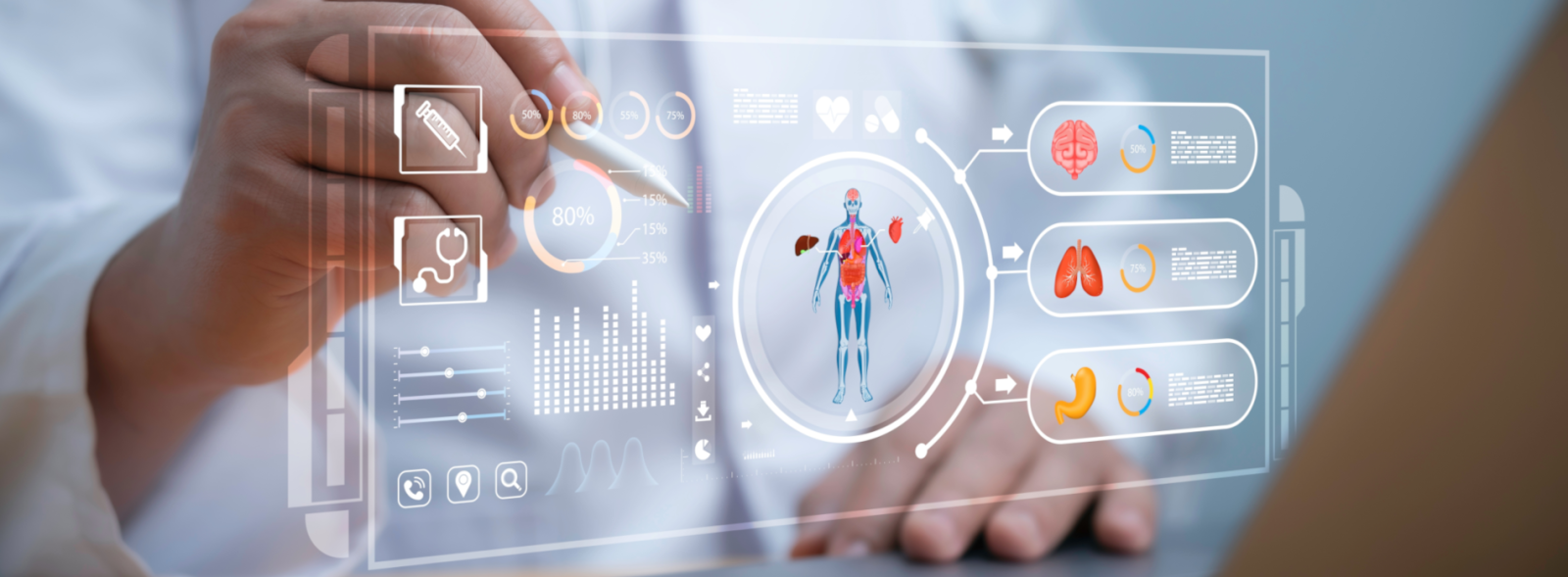
The rapid evolution of data analytics is transforming healthcare delivery, enabling providers and administrators to make smarter, more informed decisions. As healthcare systems increasingly rely on high-quality data, the potential to enhance patient outcomes, optimize operational efficiency, and reduce costs has never been greater. This shift toward data-centric practices is fueling a growing demand for […]
The rapid evolution of data analytics is transforming healthcare delivery, enabling providers and administrators to make smarter, more informed decisions. As healthcare systems increasingly rely on high-quality data, the potential to enhance patient outcomes, optimize operational efficiency, and reduce costs has never been greater. This shift toward data-centric practices is fueling a growing demand for […]
The rapid evolution of data analytics is transforming healthcare delivery, enabling providers and administrators to make smarter, more informed decisions. As healthcare systems increasingly rely on high-quality data, the potential to enhance patient outcomes, optimize operational efficiency, and reduce costs has never been greater. This shift toward data-centric practices is fueling a growing demand for skilled healthcare analytics professionals, poised to leverage innovative technologies and analytics techniques to revolutionize patient care.
Understanding the core principles of healthcare data analytics reveals its vital role in modern medicine. Defined by the International Organization for Standardization as a discipline that merges healthcare best practices with cutting-edge technology, healthcare analytics involves collecting, analyzing, and interpreting vast amounts of clinical, hospital, and medical data. The insights gained from this process can help streamline operations, allocate resources more effectively, lower healthcare costs, and improve patient results. Despite current advancements, the field still offers vast untapped potential—making it an exciting career path for those interested in shaping the future of medicine. For a comprehensive overview of how data visualization is shaping the pharmaceutical industry, explore from molecules to market the new era of pharmaceutical visualization.
Types of Healthcare Data Analytics
Healthcare analytics comprises several key types, each playing a distinct role in transforming raw data into actionable insights. Professionals in this field must understand the purpose and application of each to support evidence-based decision-making effectively.
These are the three primary categories of healthcare data analysis:
Descriptive Analytics
Descriptive analytics serves as the foundation for healthcare data interpretation. It involves examining historical patient data to understand past healthcare events comprehensively. Healthcare data analysts utilize this approach to generate reports, identify patterns, and set benchmarks for future performance. According to CompTIA, descriptive analytics allows healthcare organizations to grasp what has happened, providing a critical context that informs subsequent analytical stages. This foundational step is essential for establishing baseline metrics and guiding strategic adjustments. To see how emerging visualization techniques are transforming data interpretation, visit the new era of pharmaceutical visualization.
Predictive Analytics
Building on insights from descriptive analytics, predictive analytics uses current and historical data to forecast future healthcare events. By leveraging statistical models and machine learning algorithms, analysts can identify trends, predict patient risks, and anticipate resource needs. This proactive approach enables healthcare providers to implement preventive strategies, improve patient management, and allocate resources more efficiently. As technology advances, the integration of predictive analytics becomes increasingly vital for anticipating disease outbreaks or patient deterioration early. For more on how innovative XR solutions are bridging gaps in modern medicine, check out how Servreality is advancing healthcare.
Prescriptive Analytics
The most advanced stage in healthcare data analysis is prescriptive analytics, which employs machine learning and artificial intelligence to recommend specific actions based on predictive outcomes. This process guides healthcare providers in choosing optimal treatment plans, resource allocation, and operational adjustments. Accurate prescriptive insights are essential for developing personalized medicine approaches and improving overall patient care. Implementing these strategies requires sophisticated data management and analytics skills, emphasizing the need for specialized expertise in this rapidly evolving field. As the field continues to develop, the importance of real-time analytics grows; professionals who master these tools will be at the forefront of healthcare innovation. Learn more about how immersive technologies like VR and AR are impacting health sciences at VR and AR in healthcare, pharmaceuticals, and sports.
Benefits of Healthcare Analytics
The integration of big data into healthcare practices is creating a paradigm shift. As the industry faces mounting pressures—ranging from rising costs to staffing shortages—data analytics emerges as a crucial tool for overcoming these challenges and improving patient outcomes.
Among the most significant advantages are:
Improved Diagnosis and Personalized Treatment
Healthcare providers handle increasingly diverse patient populations requiring tailored care. Analytics enables clinicians to access precise, relevant data—such as patient history, genetic information, and real-time vital signs—enhancing diagnostic accuracy. This targeted approach allows for the development of personalized treatment plans, which can lead to better outcomes and higher patient satisfaction.
Enhanced Patient Engagement
With healthcare systems strained by staffing shortages, maintaining meaningful communication with patients can be difficult. Analytics facilitates personalized outreach, enabling healthcare administrators to craft targeted messages and interventions. These efforts foster stronger relationships, boost patient engagement, and can result in higher satisfaction levels. Implementing effective engagement strategies is crucial for building trust and loyalty in healthcare settings.
Operational Efficiency and Resource Optimization
Healthcare organizations depend heavily on data to evaluate past resource use and identify areas for efficiency improvements. By analyzing resource allocation patterns, healthcare analysts can propose strategies to reduce waste, optimize inventory management, and streamline staff deployment. These improvements not only cut costs but also lessen staff burnout and elevate the patient experience. Advanced analytics tools provide healthcare leaders with actionable insights to make smarter operational decisions.
Cost Savings and Financial Sustainability
Data-driven decision-making significantly reduces healthcare costs by identifying inefficiencies and predicting future resource needs. Combining historical data with real-time information allows analysts to develop models that optimize workflows and reduce unnecessary expenditures. As healthcare providers aim to increase access and fairness, analytics plays a vital role in supporting cost-effective, equitable care delivery.
Epidemic Tracking and Community Health Management
Beyond administrative benefits, healthcare analytics proves critical in public health. Real-time data allows professionals to monitor disease outbreaks, track infection patterns, and implement targeted interventions swiftly. This capability is especially vital in managing epidemics, helping communities contain the spread of infectious diseases early. For insights into how data visualization is shaping healthcare responses, see the role of VR and AR in healthcare.
How to Build a Career in Healthcare Analytics
The demand for healthcare analytics specialists is on the rise. According to the United States Bureau of Labor Statistics (BLS), the field is expected to grow approximately 16% between 2023 and 2033, with thousands of new positions opening each year. If you are considering entering this dynamic industry, the following steps can help you get started:
Educational Foundations
A bachelor’s degree in a related discipline—such as health information management, computer science, or data science—is typically required for entry-level roles. To qualify for more advanced positions, pursuing a master’s degree in healthcare analytics or health informatics is highly recommended. These programs cover essential topics like healthcare system design, machine learning applications, data visualization, and healthcare finance. Graduates will be equipped to analyze large datasets, develop predictive models, and communicate findings effectively, supporting better clinical and operational decisions. Discover how immersive training in XR technologies is transforming healthcare education.
Gaining Practical Experience
Securing internships or entry-level roles during or after your graduate studies enables you to develop hands-on skills and industry contacts. Experience in clinical settings or health IT systems provides valuable insights into real-world challenges and solutions, laying a strong foundation for your career.
Continuous Skill Development
Healthcare analytics is a rapidly evolving field. Continued education, certifications, and professional development are essential to stay current with emerging tools, techniques, and regulatory standards. Developing expertise in areas such as AI, machine learning, and real-time data analysis will make you a valuable asset in this competitive landscape.
Certification and Specialization
Professional certifications can enhance your credibility and open doors to higher-level opportunities. Depending on your focus—whether clinical analysis, technical development, or managerial roles—certifications in health informatics, data science, or project management can provide a competitive edge.
The Future of Healthcare Data Analysis
The industry’s trajectory points toward exponential growth driven by technological advancements. The BLS projects a more than 36% increase in data science-related roles within healthcare by 2033, reflecting the field’s critical importance. As healthcare organizations adopt more sophisticated tools, professionals proficient in AI, machine learning, and real-time analytics will be in high demand.
AI and Machine Learning Integration
Artificial intelligence and machine learning are reshaping data analysis workflows, enabling faster and more accurate insights. These technologies automate routine tasks, identify complex patterns, and support predictive modeling. However, their success depends heavily on skilled analysts who can interpret and apply AI-generated insights effectively. Future healthcare analytics professionals will need to master these tools to optimize patient care and operational efficiency.
Emphasis on Real-Time Data and Instant Insights
The demand for instantaneous data analysis is rising. Healthcare providers increasingly seek real-time insights to inform immediate clinical decisions, treatment adjustments, and resource deployment. As technology advances, analytics platforms will evolve to deliver actionable information at the point of care, transforming patient management and outcomes.
Learn more about how the evolving role of data analysis continues to shape healthcare at institutions like Champlain College Online, which offers specialized programs designed to prepare students for this fast-paced industry.