


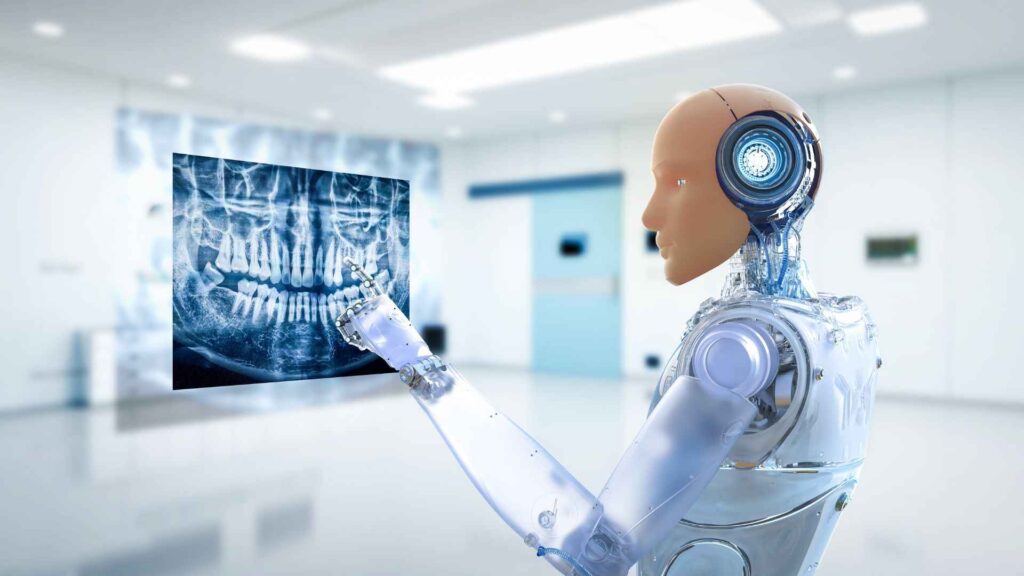
Artificial intelligence is rapidly transforming many industries, with healthcare being one of the most affected sectors. As AI technologies become more sophisticated and integrated into medical practices, questions arise about the potential impact on healthcare employment. Will automation and intelligent systems eventually replace human healthcare workers, or will they serve to augment and support medical professionals? This ongoing debate involves experts from numerous fields who analyze technological trends, workforce dynamics, and the ethical considerations surrounding AI deployment in medicine.
The integration of AI into healthcare is creating new opportunities and challenges. While some roles may diminish due to automation, many new positions are emerging that require specialized skills to manage AI systems, interpret data, and provide personalized patient care. For example, AI-driven diagnostic tools are enhancing the accuracy and speed of detecting diseases, but they still depend on skilled clinicians to interpret results and make critical decisions. The question is whether AI will replace certain jobs entirely or transform them into more advanced, tech-supported roles.
Recent developments in immersive technologies, such as extended reality (XR), are also playing a significant role in reshaping medical training and patient treatment. Innovations like virtual and augmented reality in healthcare are enabling more effective simulation-based learning and therapy, reducing the need for traditional hands-on methods. These technological advancements are not only improving outcomes but also creating new job categories for specialists who can develop and implement XR solutions in medical environments. For more insights into how digital tools are bridging gaps in medicine, explore this overview on how immersive technology is transforming healthcare.
Interesting:
Artificial intelligence continues to be a driving force behind healthcare innovation. From predictive analytics to robotic surgeries, AI’s capabilities are expanding rapidly. Its applications in pharmaceuticals, diagnostics, and patient management are helping to streamline processes and reduce costs. However, the rise of AI also raises concerns about job security for healthcare professionals. Some roles, especially routine tasks such as data entry or basic diagnostics, may become automated, leading to fears of job displacement. Conversely, AI can empower clinicians by providing them with better tools and information, potentially increasing the demand for highly trained specialists in AI management and data analysis. For those interested in the broader influence of AI across sectors like sports medicine and pharmaceutical development, learning about artificial intelligence integration can provide valuable context.
Ultimately, the future of healthcare employment hinges on how effectively society manages the integration of these advanced technologies. While some traditional jobs may decline, the healthcare industry is likely to see a shift toward roles that require technical expertise and a human touch—elements that AI cannot replicate. Adaptability and continuous learning will be essential for healthcare workers to stay relevant in this evolving landscape. As technology continues to advance, the focus should be on leveraging AI and immersive tools to enhance patient care rather than viewing them solely as replacements. The goal is a collaborative environment where human compassion and technological innovation work hand in hand to improve health outcomes worldwide.