Access to accurate and detailed medical information is crucial in diagnosing and treating various health conditions. Medical imaging plays an essential role in this process by providing visual representations of the inside of the body, enabling healthcare professionals to detect abnormalities, monitor progress, and plan effective treatments. As technology advances, the importance of imaging techniques […]
Access to accurate and detailed medical information is crucial in diagnosing and treating various health conditions. Medical imaging plays an essential role in this process by providing visual representations of the inside of the body, enabling healthcare professionals to detect abnormalities, monitor progress, and plan effective treatments. As technology advances, the importance of imaging techniques […]
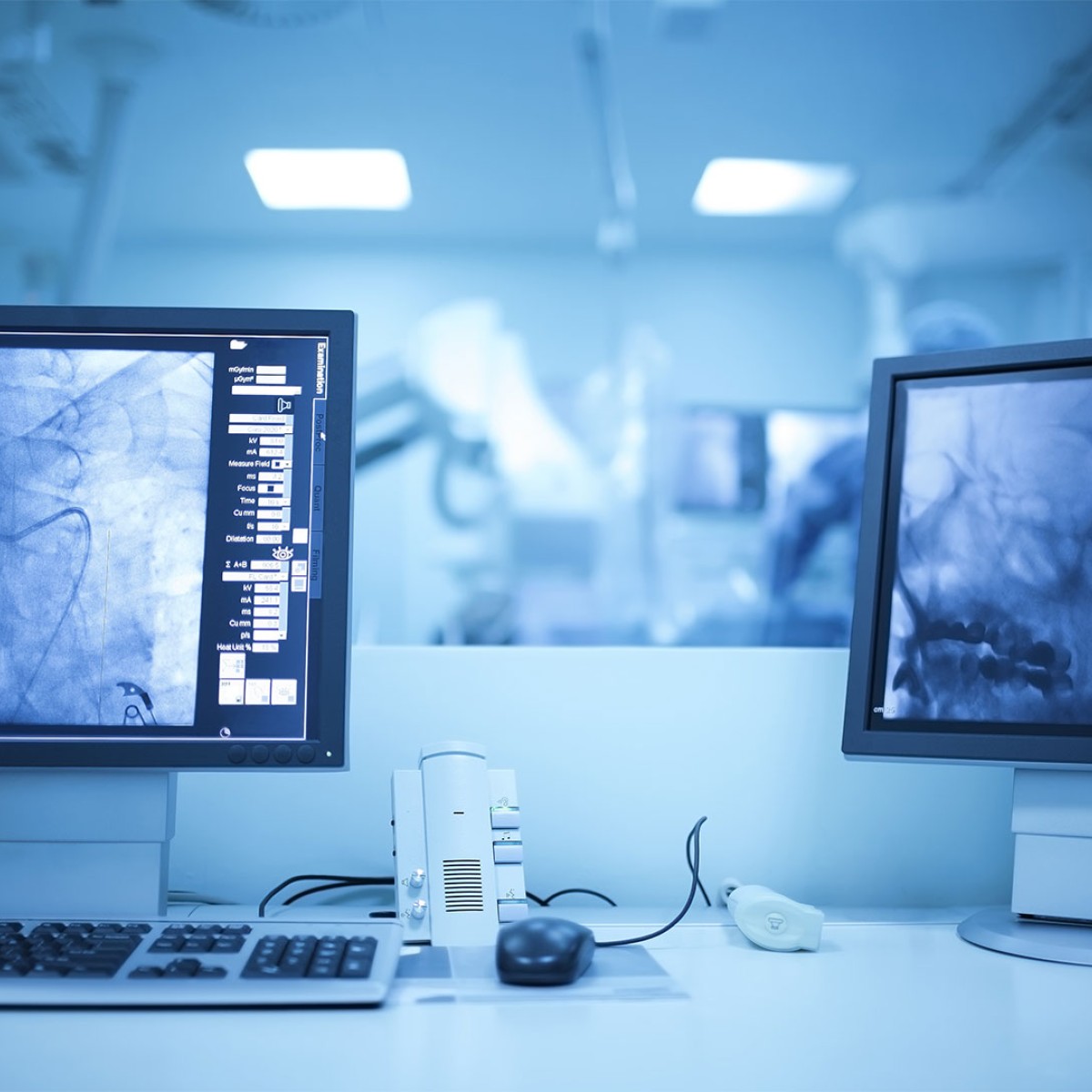
Access to accurate and detailed medical information is crucial in diagnosing and treating various health conditions. Medical imaging plays an essential role in this process by providing visual representations of the inside of the body, enabling healthcare professionals to detect abnormalities, monitor progress, and plan effective treatments. As technology advances, the importance of imaging techniques continues to grow, transforming the landscape of modern medicine.
What Is Medical Imaging?
Medical imaging refers to a range of techniques used to create visual images of the internal structures and organs within the body. These images allow clinicians to examine areas that are otherwise inaccessible without invasive procedures. Imaging technologies have become indispensable in healthcare, offering non-invasive ways to diagnose, evaluate, and monitor numerous health issues.
The primary goal of medical imaging is to produce clear, detailed pictures that facilitate accurate diagnosis and treatment planning. These images help reduce the need for exploratory surgeries and other invasive procedures, making patient care safer and more efficient. They also enable doctors to detect early signs of disease, often before symptoms become apparent, leading to earlier interventions and improved outcomes.
Common Types of Medical Imaging Techniques
There are several widely used imaging modalities, each suited to specific clinical applications. Some of the most common include:
X-ray Imaging
X-ray technology uses electromagnetic radiation to produce images of dense structures like bones and certain tissues. It is quick, cost-effective, and widely available, making it ideal for diagnosing fractures, infections, and lung conditions such as pneumonia. However, X-rays provide limited information about soft tissues.
Computed Tomography (CT)
CT scans combine multiple X-ray images taken from different angles to generate cross-sectional, 3D images of the body. This technique offers greater detail than standard X-rays and is useful in detecting tumors, internal injuries, and complex skeletal issues. It plays a vital role in emergency medicine and cancer diagnostics.
Magnetic Resonance Imaging (MRI)
MRI uses strong magnetic fields and radio waves to produce detailed images of soft tissues, including the brain, spinal cord, muscles, and organs. It is particularly valued for neurological, musculoskeletal, and cardiovascular assessments. MRI does not involve ionizing radiation, making it safer for repeated use.
Ultrasound
Ultrasound employs high-frequency sound waves to visualize soft tissues and fluid-filled structures. It is commonly used during pregnancy, as well as for examining organs like the liver, kidneys, and heart. Ultrasound is portable, safe, and provides real-time imaging, enabling dynamic assessments.
Nuclear Imaging
This technique involves injecting small amounts of radioactive tracers into the body. These tracers emit gamma rays detected by specialized cameras to produce images of organ function and blood flow. Nuclear imaging is essential in evaluating metabolic activity, detecting cancer spread, and assessing cardiac health.
The Role of Imaging in Diagnosis and Treatment
Medical imaging is fundamental in establishing accurate diagnoses, especially in complex cases where symptoms are ambiguous. By providing visual confirmation of conditions, imaging helps healthcare providers determine the most appropriate course of action. It also allows for monitoring disease progression and assessing the effectiveness of treatments.
Moreover, advancements in imaging technology have facilitated minimally invasive procedures such as image-guided biopsies and surgeries, reducing patient risk and recovery time. The integration of imaging with other data sources, such as electronic health records and laboratory results, enhances diagnostic accuracy and personalized care.
The Future of Medical Imaging
Emerging technologies like artificial intelligence (AI) are poised to revolutionize medical imaging further. AI algorithms can assist in interpreting images, detecting subtle abnormalities, and predicting disease outcomes, thereby improving diagnostic precision and efficiency. For example, the logic behind the shift why we need AI in healthcare highlights how these innovations are transforming patient care.
As imaging techniques continue to evolve, so does the need for skilled professionals capable of managing and analyzing complex datasets. For those interested in this field, exploring a career in healthcare data analysis can open doors to exciting opportunities in medical informatics.
Understanding the importance of data management in healthcare is also critical, as effective provider data handling ensures accurate patient records and improves overall care quality. For an in-depth look, consider reviewing a detailed overview of provider data management in healthcare.
Conclusion
Medical imaging stands as one of the most vital tools in modern healthcare, enabling early diagnosis, guiding treatment decisions, and enhancing patient outcomes. As technology advances, integrating AI and data management will further refine imaging capabilities, shaping the future of medicine. Staying informed about these innovations not only benefits healthcare providers but also empowers patients in understanding their health better.