


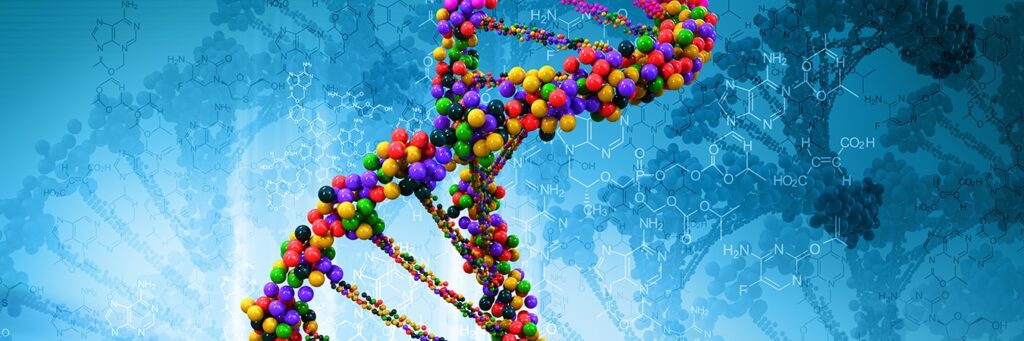
Genomics is a fascinating field that dives deep into the blueprint of life—our DNA. As advances in science and technology accelerate, our understanding of genomics is transforming medicine, research, and even our perception of what it means to be human. This comprehensive overview aims to clarify what genomics entails, how it differs from genetics, and why it holds immense potential for the future of healthcare and beyond.
1. What Is Genomics?
At its core, genomics involves the study of an organism’s entire genetic material—the genome—and how this information can be utilized. Every living organism, from tiny bacteria to complex multicellular organisms like plants, animals, and humans, possesses a genome composed of DNA. This genetic material contains all the instructions necessary for growth, development, functioning, and reproduction.
DNA, or deoxyribonucleic acid, is the fundamental molecule that carries genetic information. To understand the significance of genomics, it’s essential to grasp what DNA is and why it is central to biology. DNA is composed of four chemical bases—adenine (A), thymine (T), cytosine (C), and guanine (G)—which form the building blocks of the genetic code. The sequence of these bases encodes the information that directs cellular functions. For a more detailed exploration of how this molecular language shapes life, you can explore from molecules to market the new era of pharmaceutical visualization.
2. What Are Genes?
Within the vast expanse of DNA, specific segments called genes carry the instructions for building proteins—the molecules responsible for most biological functions. Humans have approximately 20,000 protein-coding genes, which are crucial for constructing and repairing our bodies. Some genes determine visible traits, such as eye color, while others influence our health, affecting our susceptibility to certain diseases.
Genes constitute only about 2% of our entire genome, yet they play a disproportionately vital role. The remaining 98% includes non-coding regions that regulate gene activity and other functions. The entire human genome comprises over 3 billion DNA base pairs, making it an incredibly complex and detailed instruction manual.
The four bases in DNA—A, T, C, and G—are arranged in sequences that, if read continuously, would take about 100 years to recite at a rate of one letter per second. Despite the extensive similarity among human genomes—approximately 99.9% the same—there are about three million differences, or variants, between any two individuals. Some variants have no effect, but others can influence health, potentially causing genetic conditions like sickle cell anemia or increasing risk factors for diseases such as breast cancer. In healthcare, analyzing these genomic differences can help diagnose, predict, and prevent illnesses, paving the way for personalized medicine.
3. Differentiating Genomics from Genetics
While the terms are often used interchangeably, genomics and genetics explore different aspects of heredity. Genetics primarily investigates individual genes and how they are inherited, often focusing on specific traits or disorders caused by variations in single genes. For example, identifying a mutation in a gene linked to cystic fibrosis is a genetic analysis.
Interesting:
In contrast, genomics encompasses the entire genome, examining both coding and non-coding regions to understand how genes are expressed and interact within the larger genetic landscape. This holistic approach considers the complex interplay of multiple genes and environmental factors. Recent technological advances, such as next-generation sequencing, have made it possible to sequence entire genomes rapidly and cost-effectively, drastically changing the scope of genetic research. What once took over a decade and millions of pounds can now be accomplished in about 24 hours for less than £1000, opening new horizons in medical research and treatment.
4. Sequencing the Genome
Decoding the human genome involves reading all 3 billion base pairs, a monumental task that produces enormous amounts of data—around 200 gigabytes per individual, comparable to the storage capacity of many personal computers. Once sequenced, this raw data undergoes complex processing: filtering, analysis, interpretation, and validation. A multidisciplinary team—including bioinformaticians, clinical scientists, and geneticists—collaborates to extract meaningful insights from this information.
In the NHS and other healthcare systems, genomic data is integrated with clinical information to assist in diagnosis, prognosis, and treatment planning. The process turns vast, unstructured data into actionable results that can significantly impact patient care. Discover more about how raw genetic data transforms into valuable medical insights in the journey from molecular data to clinical application.
5. Key Summary Points
- Every living organism has a genome, containing the instructions necessary for development, maintenance, and reproduction.
- Although individual genomes are about 99.9% identical, the small differences—around three million per person—can influence traits and health.
- Variations in DNA can determine physical features like eye color and also affect disease susceptibility.
- Advances in genomic sequencing and analysis are enabling more precise diagnosis, personalized treatments, and proactive disease prevention, transforming healthcare.
6. Further Resources
Interested in expanding your understanding of genomics and its role in health? Explore these educational resources:
- Online course: Genomics 101: From Genes to Genome — a 30-minute introduction with a certificate of completion, available online.
- Online course: Genomics 101: Genomics in Healthcare — designed for those seeking to understand practical applications, also 30 minutes long.
- Bitesize modules: What is epigenetics? — a quick 10-minute multimedia overview.
- Bitesize module: Where does our genome originate? — another concise 10-minute resource.
The ongoing integration of virtual and augmented reality, such as in VR and AR in healthcare, pharmaceuticals, and sports, is revolutionizing medical education, diagnostics, and treatment options, demonstrating the vast potential of technological innovations in this field.
By understanding genomics, researchers and clinicians are better equipped to unlock personalized medicine’s full potential, ultimately improving health outcomes worldwide.