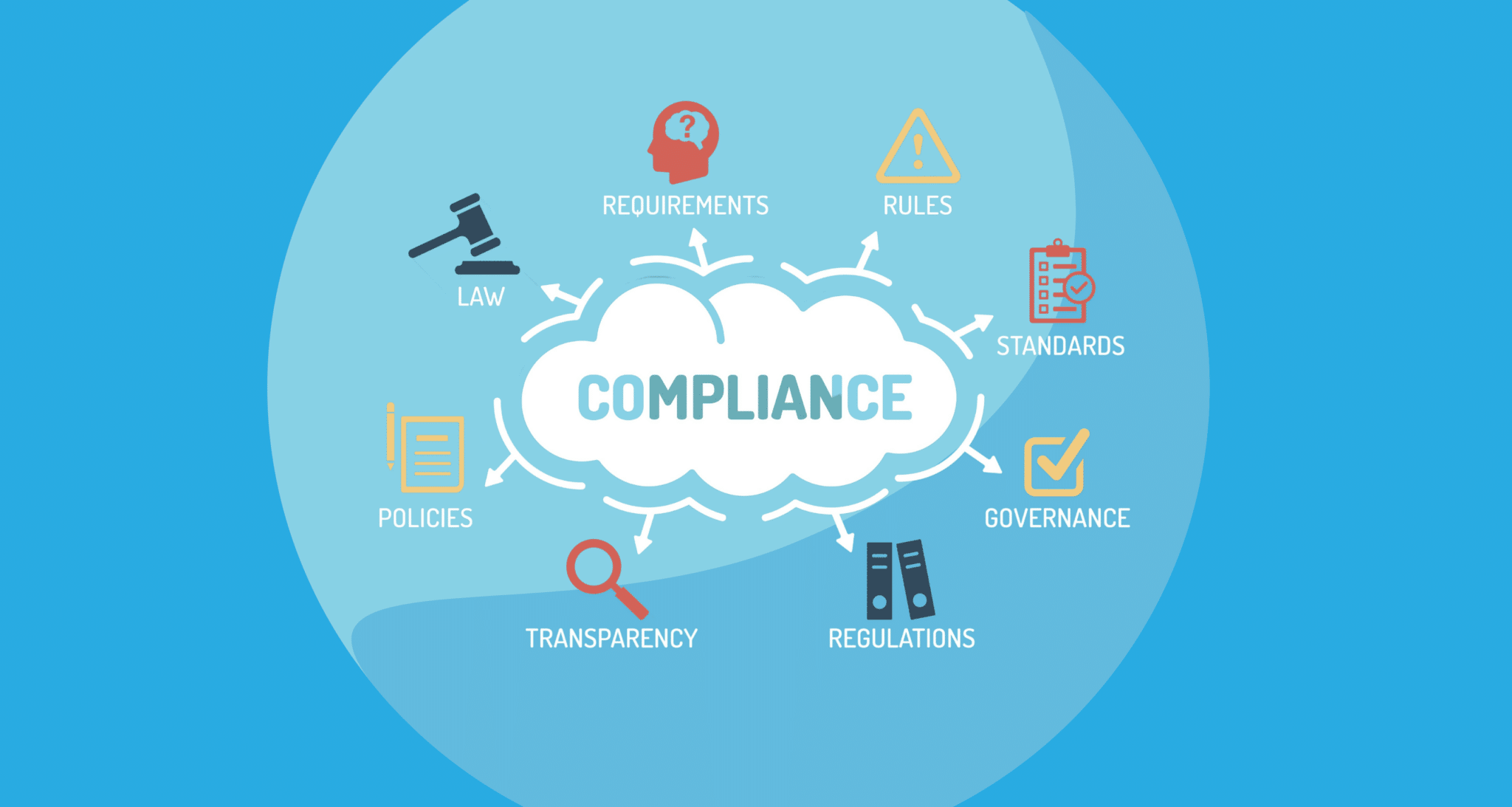
Maintaining high ethical standards in healthcare is essential for safeguarding patient trust, ensuring legal adherence, and promoting quality care. As regulatory environments grow increasingly complex, healthcare organizations must prioritize comprehensive compliance strategies that address legal requirements and foster an organizational culture rooted in integrity. A well-designed compliance program not only mitigates risks such as fraud […]
Maintaining high ethical standards in healthcare is essential for safeguarding patient trust, ensuring legal adherence, and promoting quality care. As regulatory environments grow increasingly complex, healthcare organizations must prioritize comprehensive compliance strategies that address legal requirements and foster an organizational culture rooted in integrity. A well-designed compliance program not only mitigates risks such as fraud […]
Maintaining high ethical standards in healthcare is essential for safeguarding patient trust, ensuring legal adherence, and promoting quality care. As regulatory environments grow increasingly complex, healthcare organizations must prioritize comprehensive compliance strategies that address legal requirements and foster an organizational culture rooted in integrity. A well-designed compliance program not only mitigates risks such as fraud and abuse but also demonstrates a commitment to transparency and accountability. Exploring the critical components of such programs reveals how organizations can navigate regulations effectively and sustain ethical practices across all levels.
Fundamental Elements for Developing a Robust Healthcare Compliance Framework
Healthcare providers operate within a multifaceted legal landscape, with numerous regulations governing patient safety, privacy, billing, and operational conduct. Remaining compliant is vital not only to avoid substantial penalties but also to uphold the organization’s reputation and ensure optimal patient outcomes.
An effective compliance program provides clear guidance to staff, delineating responsibilities and promoting adherence to legal standards. It acts as a preventative mechanism against unethical behaviors, including fraud, conflicts of interest, and violations of privacy protections. The following core elements form the backbone of successful compliance initiatives in healthcare settings.
1. Leadership Commitment and Organizational Culture
At the heart of any successful compliance effort is unwavering support from top management. Leadership must visibly endorse ethical standards and take responsibility for fostering a culture of compliance. This includes establishing expectations, allocating resources, and setting the tone from the top—an approach depicted in virtual reality applications in medicine. When executives demonstrate accountability and transparency, it encourages staff to follow suit, embedding compliance into daily routines and organizational values.
2. Clear Policies and Procedures
Developing comprehensive, written policies and procedures is essential to guide employee behavior and decision-making. These documents should clarify acceptable practices, outline compliance expectations, and provide step-by-step instructions for handling specific situations. Regularly reviewing and updating policies ensures alignment with evolving regulations and industry standards, which is particularly important given the rapid technological advancements and emerging risks in healthcare.
3. Education and Training Programs
Ongoing training is critical for empowering healthcare personnel to recognize and adhere to compliance obligations. Educational initiatives should cover a range of topics, including fraud prevention, patient privacy, conflicts of interest, and regulatory requirements like HIPAA. Engaging training methods, such as interactive modules or simulated scenarios, enhance understanding and retention. Organizations can also explore innovative approaches like immersive therapy for mental health, which offers new avenues for patient care, as detailed here. Consistent education reduces the likelihood of inadvertent violations and fosters a proactive compliance mindset.
4. Monitoring, Auditing, and Data Analytics
Continuous oversight through regular audits and monitoring activities is vital for identifying potential compliance gaps. Data analytics tools enable organizations to analyze patterns, detect anomalies, and evaluate risk areas proactively. This approach facilitates early intervention and supports evidence-based decision-making, ensuring that compliance efforts keep pace with organizational changes and industry developments.
5. Reporting Systems and Whistleblower Protections
Creating a secure, confidential environment for reporting concerns encourages staff to speak up about unethical practices without fear of retaliation. Multiple channels—such as anonymous hotlines and online reporting platforms—should be accessible to all employees. Prompt investigation of reported issues demonstrates organizational commitment to accountability and helps maintain public trust.
6. Response Strategies and Disciplinary Measures
Having a clear, consistent process for addressing compliance violations is crucial. This includes investigation protocols, disciplinary actions, and remediation plans. Enforcing these measures fairly reinforces that violations are taken seriously and underscores management’s dedication to ethical conduct, which is essential for maintaining a compliant environment.
7. Continuous Improvement and Adaptation
Healthcare compliance is a dynamic field that requires ongoing evaluation and refinement. Incorporating feedback from audits, stakeholder input, and industry best practices allows organizations to adapt their programs effectively. Regular self-assessments and external reviews help identify areas for improvement, ensuring that compliance strategies evolve with regulatory changes and emerging risks.
The Significance of Effective Compliance in Healthcare Facilities
Implementing a comprehensive compliance program directly impacts patient safety, organizational integrity, and legal adherence. Transparency is enhanced, and the risk of fraud and misconduct diminishes when leadership actively promotes ethical standards. An organization committed to continuous improvement and robust monitoring can better navigate the complex regulatory landscape, ultimately delivering high-quality, ethically sound care.
Organizations can leverage specialized software solutions, like those offered by Compliancy Group, to streamline compliance management and ensure all regulatory obligations are met efficiently. Such tools centralize policy management, facilitate training, and support audit processes, making compliance a seamless part of daily operations.
Building and maintaining a resilient compliance program is essential for healthcare organizations striving to uphold the highest ethical standards. It requires dedication, strategic planning, and a culture that values integrity at every level—an investment that ultimately secures trust, enhances patient outcomes, and sustains long-term success.
For further insights into innovative healthcare compliance approaches, consider exploring advancements like immersive therapy, which represents a frontier in mental health treatment, or how virtual reality can enhance surgical training, as discussed here. These technologies exemplify how embracing innovation supports compliance and quality care in modern healthcare environments.